
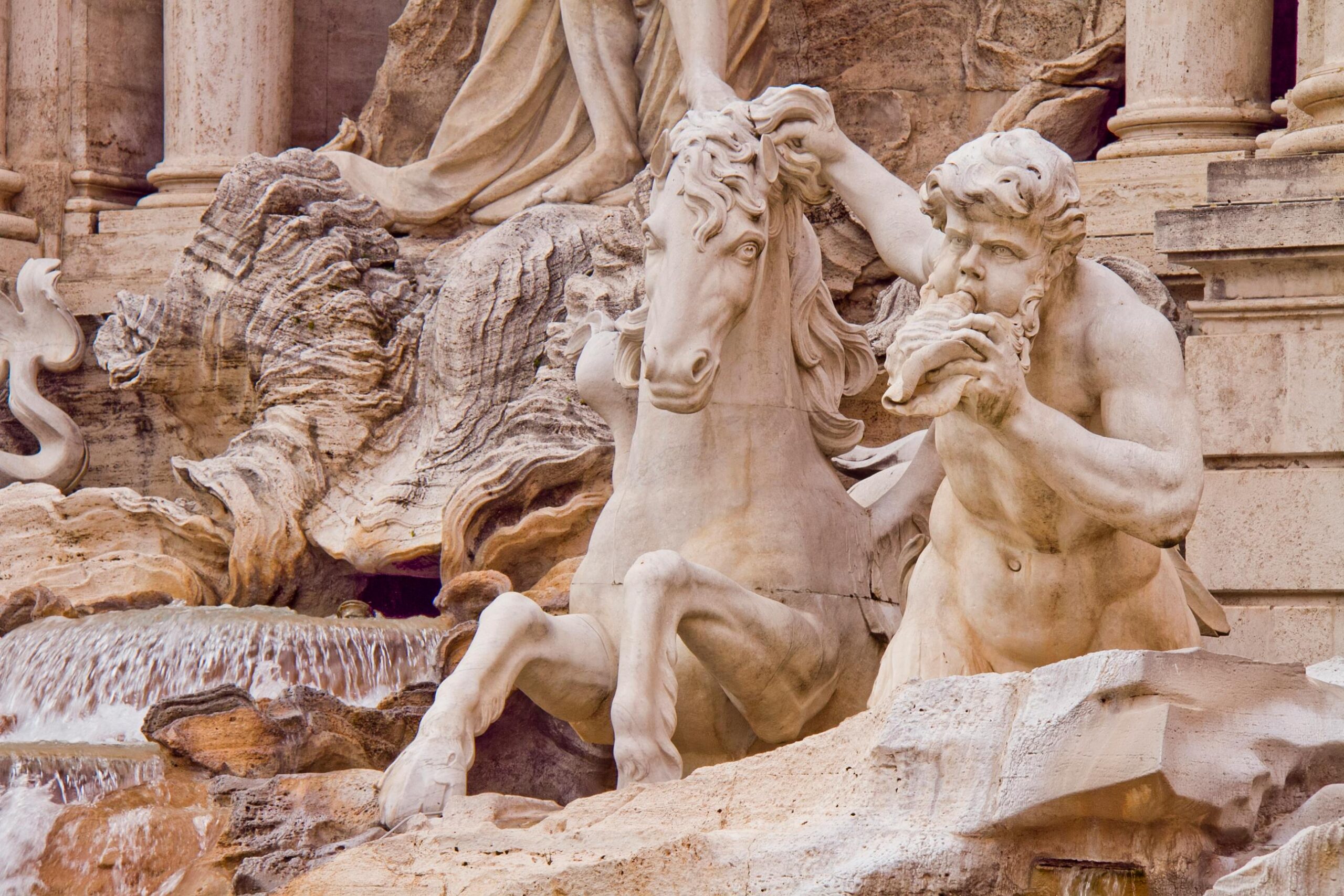
Most people can’t squeeze into a single archetype, and the most compelling creators never try. Identity tends to form at the intersection of two dominant forces: How someone moves through the world, and how they make sense of it.
One archetype often shapes instinct: What you’re drawn to, how you act, what you prioritize. The other refines it, adding dimension, perspective, or contrast. That’s where things start to feel specific. Not just “creative” or “rebellious,” but howthat creativity shows up, or what kind of rebellion it becomes.
These combinations also aren’t fixed. They tend to evolve as people mature, as their work deepens, or as their role in culture shifts. What begins as one expression can become something more layered over time.
Below are examples of how these blends take shape in the real world—and why they tend to resonate more deeply than any single archetype on its own.
Why Blends Feel More Human
There’s a reason brands try to feel more “human” by manufacturing imperfections and leaning into nuance. People don’t bond with flatness. We adore complication and we like connecting with layered, contradictory personalities. Perhaps it reassures us that our own messy inner world is valid and lovable.
When it comes to the persona you project out into the world and embody in your work, deifnign a single archetype creates clarity, but a blend will create recognition. It will give people more entry points to see themselves in what you’re expressing, which is what turns a passive audience into a community that cultivates a strong sense of belonging.
Identity is not just what something is, but how it feels to engage with it, and whether someone can locate themselves inside of it. If you want to go deeper into that idea, I break it down more in How To Make People Care About What You’re Doing.
|| Discover Your Blend With The Archetype Quiz
Caregiver + Everyman
The warmhearted neighbor.

Dolly Parton is one of the rare figures who feels almost universally liked, and it’s not by accident. Her presence carries a distinct mix of humility and clarity: She’s warm, she’s kind, and she’s deeply respectful—but never passive. She has a way of standing up for others without sharpness and her tone makes her feel both protective (Caregiver) and familiar (Everyman).
She speaks plainly, tells stories conversationally, and reminiscences about her upbringing in rural Tennessee. She doesn’t position herself above anyone.
Not only does Dolly center kindness and compassion verbally, but she embodies the same values in her work both inside and outside the world of music. Like by founding the Imagination Library in 1995, which currently provides a free shipment of monthly books to about 1 in 6 children.
More Examples of Caregiver Archetype Combinations
- Fred Rogers (Caregiver + Sage) — Gentle guidance used to teach emotional intelligence, empathy, and self-worth.
- Bob Ross (Caregiver + Creator) — Nurturing presence expressed through calm instruction and the act of creating without fear.
- Paddington Bear (Caregiver + Innocent) — Stories centered on kindness, hospitality, and gentle decency.
- The Andy Griffith Show (Caregiver + Everyman) — Neighborly warmth and moral guidance.
Ruler + Creator
An authority on aesthetic.
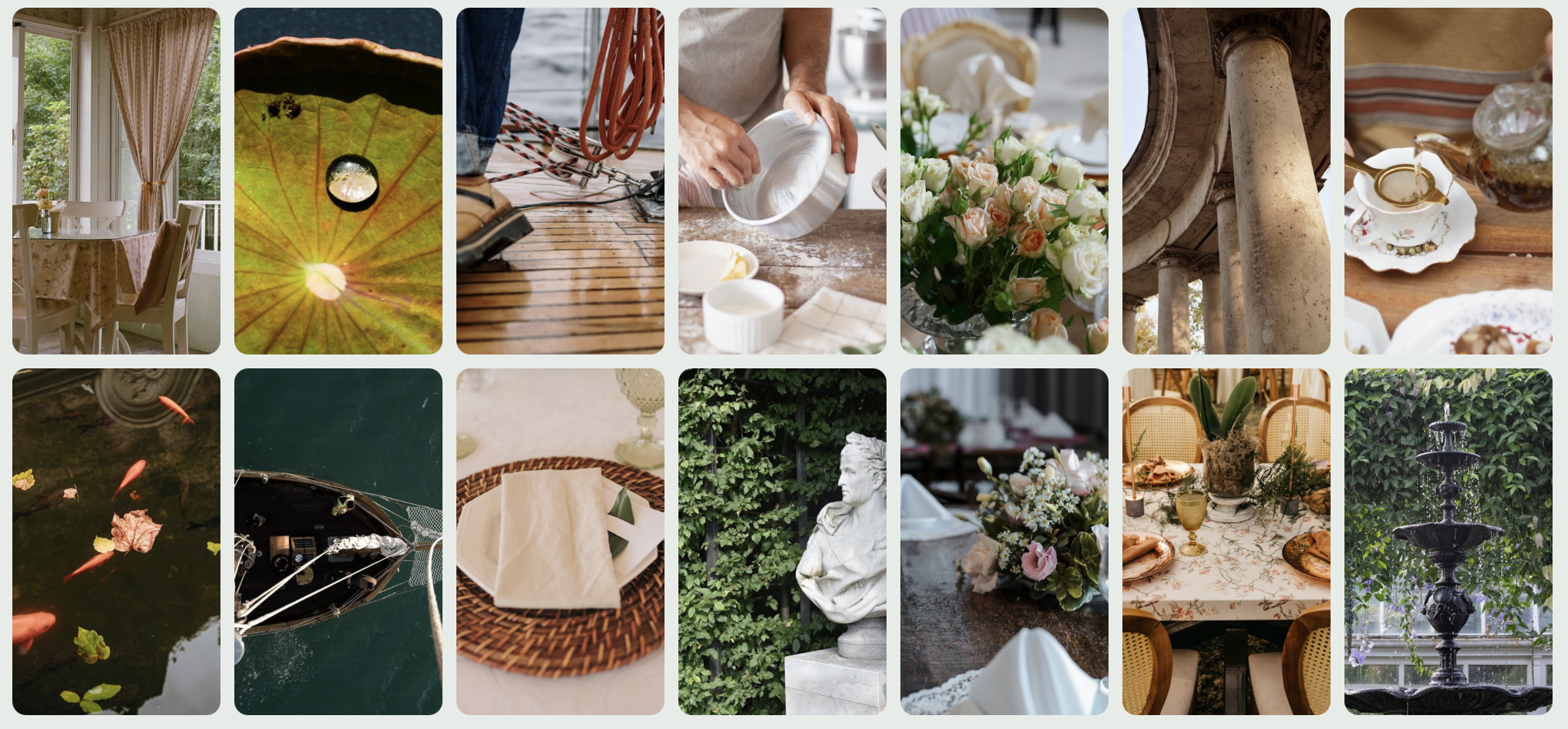
Martha Stewart made her television debut in 1993 and went on to redefine lifestyle television as we knew it. Since, she’s built an empire around cooking, entertaining, and home design with a presence that carries a distinct sense of authority. She embodies the Ruler in that she sets a high standard of taste, and the Creator in how she meticulously guides others to adopt it.
Of course, her authority was tested when a prison sentence for insider trading stripped her of her position in 2004. But she didn’t retreat or soften her image in response. She shaped the narrative and almost instantly reclaimed her spot at the top of the hierarchy, launching her own television show just months after her release in 2005.
What could have diminished her instead became part of the mythology, and that is true embodiment of the Ruler—the resilience and willingness to assert control over a situation that many others would’ve retreated from with embarrassment or shame.
More Examples of Ruler Archetype Combinations
- Anna Wintour (Ruler + Creator) — Authority over taste expressed through a highly controlled and cohesive creative vision.
- Miranda Priestly from The Devil Wears Prada (Ruler + Magician) — Dominance maintained through perception, taste-making, and the ability to define what matters.
Explorer + Sage
The thoughtful adventurer.

Jane Goodall began her work in 1960, traveling to Tanzania in her 20s armed with a deep curiosity about the natural world, and no formal scientific degree.
She embodies the Explorer in her willingness to step into the unknown—living among chimpanzees in Gombe Stream National Park and observing them for hours, days, and eventually decades. But what makes her work resonate far beyond field research is the Sage: her ability to interpret what she found and distill it into meaning others could understand.
Equal part researcher and advocate, her work challenged long-held assumptions, proving that chimpanzees use tools, form emotional bonds, and live within complex social structures. She became a pivotal figure who invited others to see our relationships with animals differently.
She’s the very essence of this archetype combination, embodying the instinct to seek, paired with the discipline to understand—and the responsibility to share what you’ve found.
More Examples of Explorer Archetype Combinations
- Anthony Bourdain (Explorer + Sage) — Travel used to understand cultures and human experience. See also National Geographic documentaries.
- Bear Grylls (Explorer + Hero) — Adventure framed as endurance and survival against nature.
- Willie Nelson (Explorer + Everyman) — The friendly, wandering storyteller.
Jester + Hero
The spirited underdog.

Jack Black has a kind of energy that’s hard to ignore. He’s loud, theatrical, and unapologetically playful. Whether through film, music, or interviews, his presence leans fully into humor and exaggeration. That’s the Jester at work, using comedy, absurdity, and performance to disarm and engage.
But underneath the chaos is something more structured. His work consistently centers on growth, confidence, and rising to the occasion. In School of Rock, he transforms a group of overlooked kids into performers. In Kung Fu Panda, he voices a character defined by self-doubt who ultimately steps into his potential. His delivery is comical, but time and again, his character arc is unmistakably Hero.
What makes this blend effective is the tone. He doesn’t position himself as a polished role model. He shows up messy, enthusiastic, and a little ridiculous, and that’s exactly what makes his encouraging messaging land without feeling prescriptive.
More Examples of Jester Archetype Combinations
- Robin Williams (Jester + Caregiver) — Wild comedic energy balanced by deep empathy and emotional warmth.
- Jennifer Lawrence (Jester + Everyman) — Playful irreverence and self-deprecating humor.
- Donkey from Shrek (Jester + Everyman) — Comic relief grounded in loyalty and relatability.
- Spider-Man AKA Peter Parker (Jester + Hero) — Humor used to cope with responsibility and pressure.
Lover + Innocent
The tender romantic.
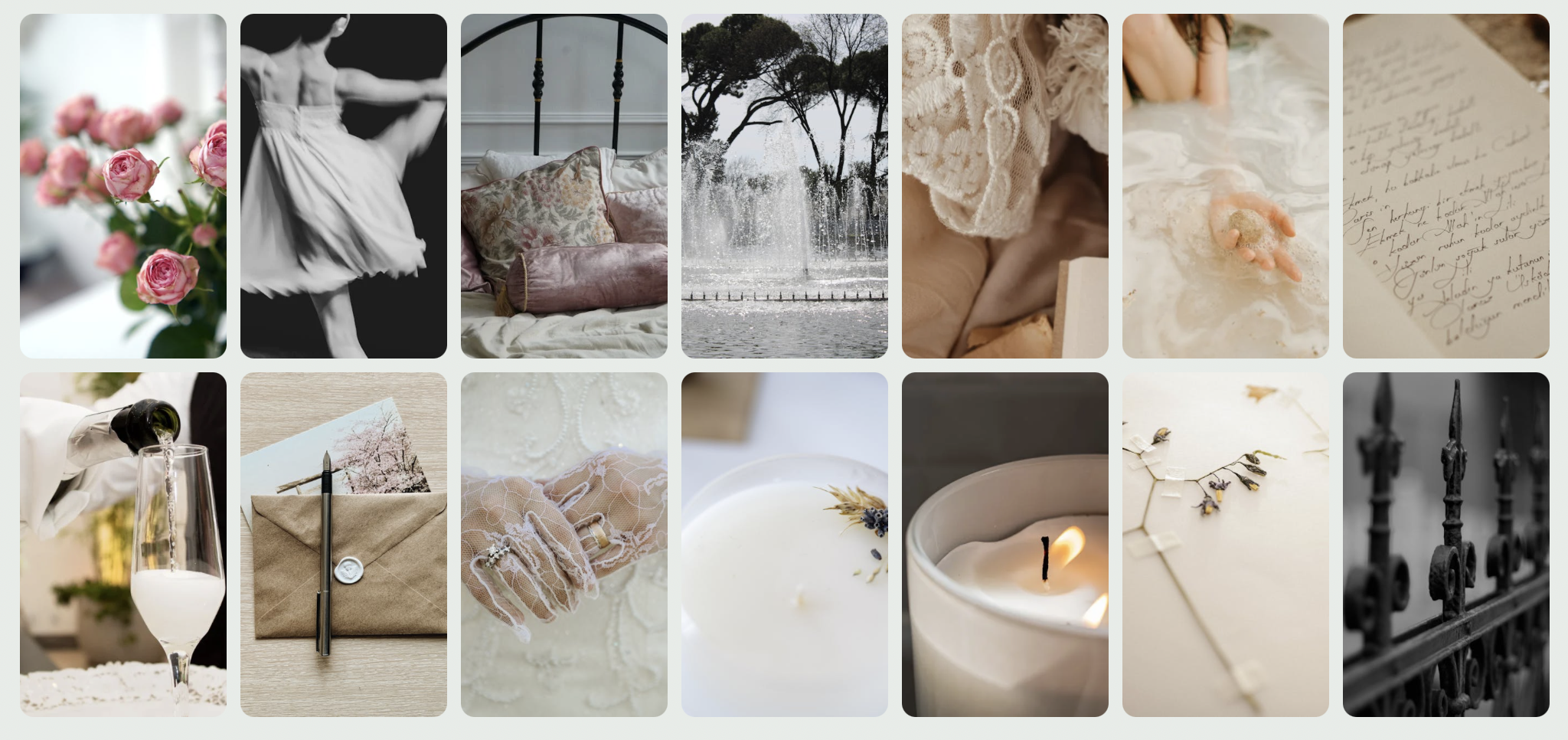
Audrey Hepburn was widely revered for her grace, elegance, and sincerity. There’s a softness to her presence that feels both refined and deeply human.
She embodies the Lover in her warmth, emotional openness, and the way she made romance feel genuine rather than dramatic. On screen, her roles often centered on tenderness and a kind of understated longing—and there was a sense of purity in how she expressed it. That’s how the Innocent blended in: There was no cynicism or hidden side to Audrey.
Off screen, she was known for her empathy, her devotion to family, and later, her humanitarian work with UNICEF. Even at the height of fame, she remained grounded, often described as gentle, introspective, and witty.
What makes this blend so enduring is its restraint. She didn’t need to exaggerate emotion; softness was the message, and it never felt performative.
More Examples of Lover Archetype Combinations
- Fred Astaire (Lover + Ruler) — Elegant romance expressed with charm and control.
- Maria from The Sound of Music (Lover + Innocent) — Resilience and affection expressed through sincerity and belief in goodness.
- Mary Poppins (Lover + Magician) — Care and affection expressed through wonder and transformation.
Outlaw + Magician
The renegade dreammaker.
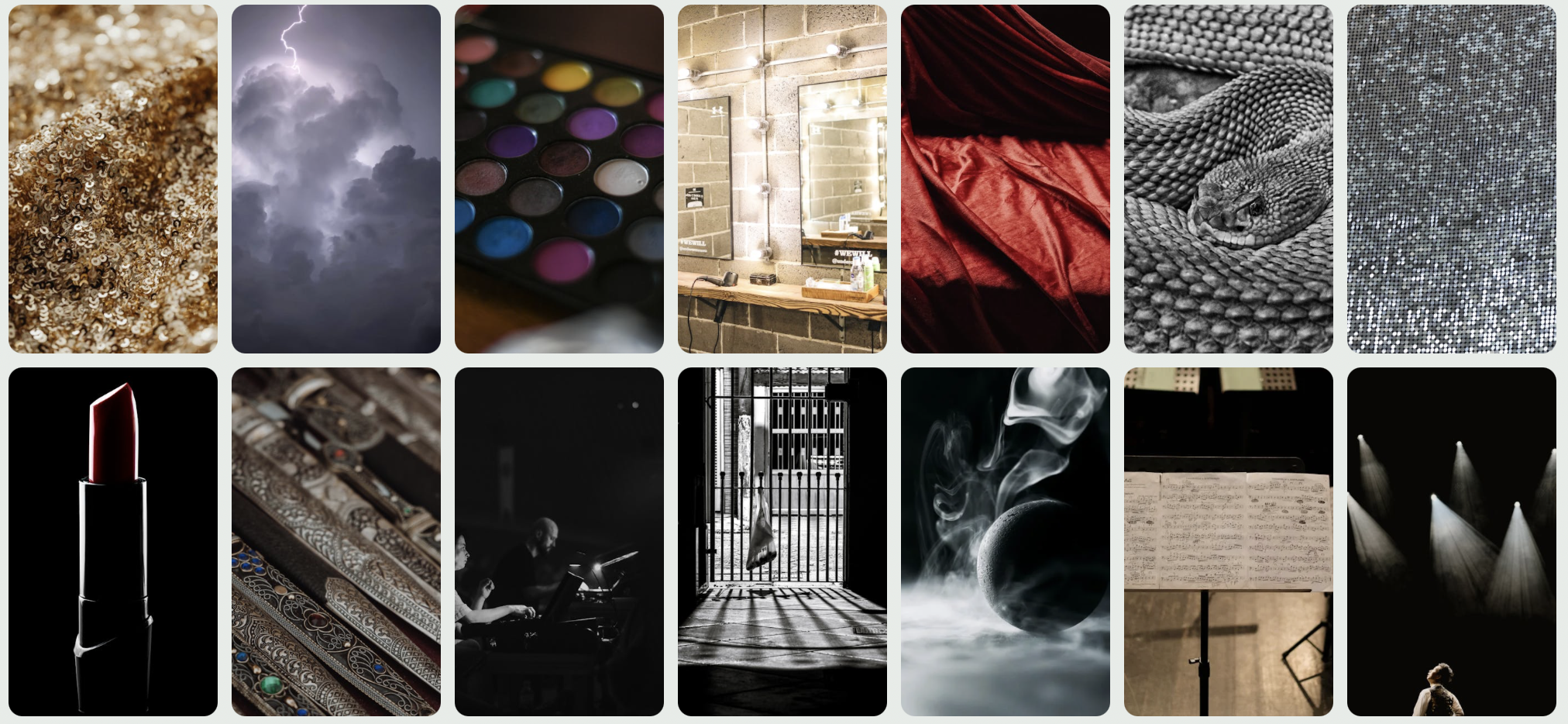
David Bowie built a career on refusing to stay fixed. At a time when identity, especially in music, was expected to be consistent, he treated it as something fluid that he could construct and reimagine time and time again.
David embodied the Outlaw in his rejection of norms around gender, performance, and celebrity. He rebelled by ignoring expectations entirely, stepping outside of what felt acceptable or familiar. But the Magician side is what made his influence truly lasting.
Through personas like Ziggy Stardust, he blurred the line between reality and performance and invited audiences to see identity as something expressive rather than fixed. His transformations were intentional, symbolic, and deeply tied to cultural moments, which gave his work a sense of meaning beyond aesthetics alone.
That’s the power of this blend: Using imagination to expand what people believe is possible.
More Examples of Outlaw Archetype Combinations
- Prince (Outlaw + Magician) — Sexual rebellion and artistic defiance paired with mystical symbolism.
- Lady Gaga (Outlaw + Magician) — Radical self-expression expressed through theatrical transformation.
- Jack Sparrow from Pirates of the Caribbean (Outlaw + Jester) — Rebellious freedom expressed through humor and unpredictability.
Next Steps: Exploring Your Archetypes
Understanding how archetypes can blend is one thing, but the real value comes from identifying your own and how you can more deeply embody them in a way that feels cohesive and authentic. Here are all 12 archetype guides I’ve written, with more examples of how creators, musicians, and cultural icons are embodying them in the modern world: