
The Lover is driven by attention. Not just attraction, but the act of noticing—what feels good, what draws you in, what lingers a little longer than it should… This archetype doesn’t chase intensity for its own sake. It’s about presence. About letting something matter.
In terms of the 12 archetype system, the Lover sits in the same category of “Belonging” as the Innocent and the Everyman, and it is the most intimate of the three.
The Lover aims to create a sense of closeness. It feels like warmth, desire, intimacy, indulgence—not necessarily romantic, but deeply sensory. There’s a pull toward texture, toward mood, toward the feeling of being inside something rather than looking at it.
At its best, the Lover makes people more aware of their own senses. It sharpens taste, touch, atmosphere. It slows things down just enough for them to register.
Visual Language
Visually, the Lover is rich without being loud.

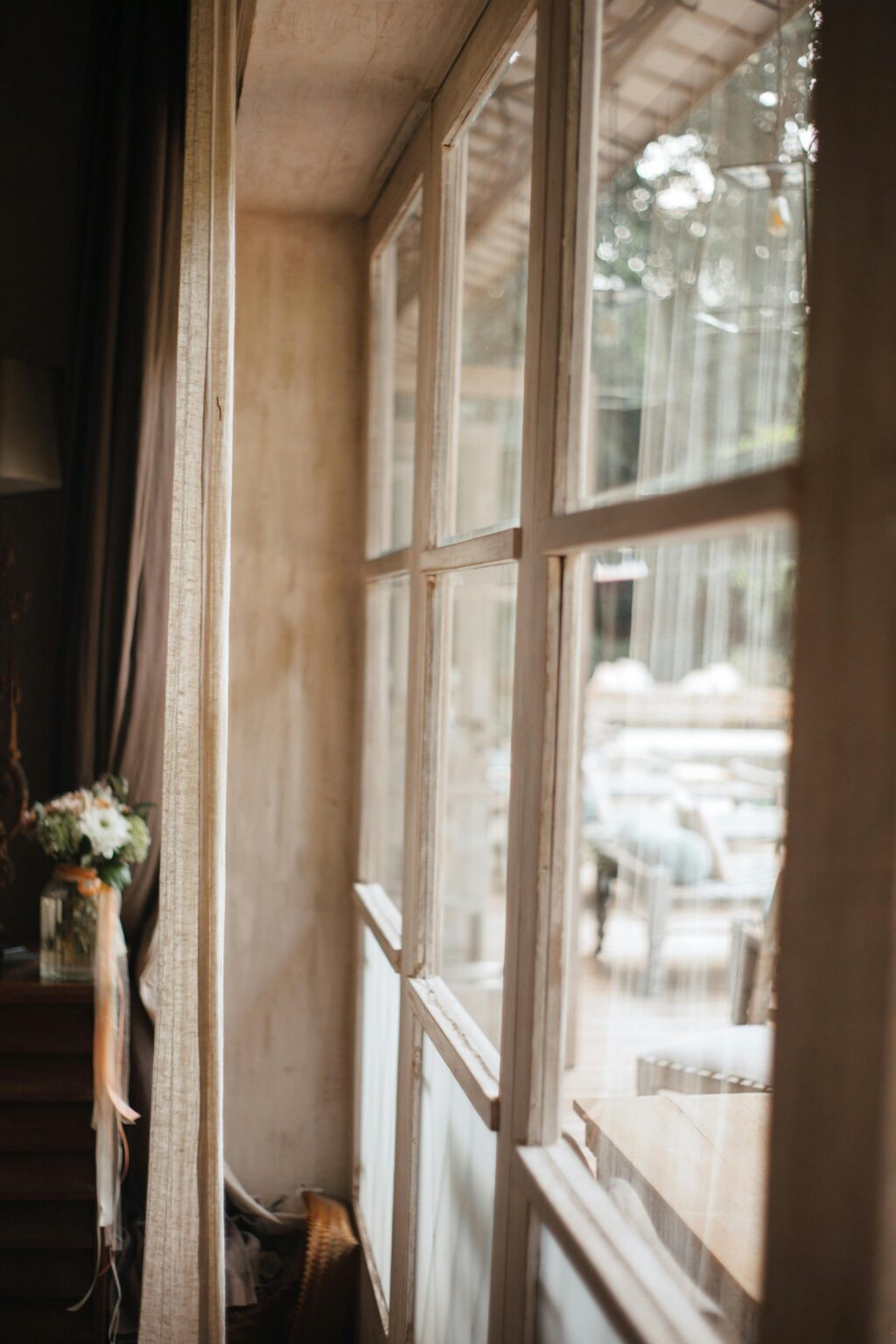
Color palettes tend to deepen—warm neutrals, muted reds, browns, creams, dusky pinks, olive, shadowed gold. Contrast is soft but intentional. Light is diffused, often low, as if everything exists in late afternoon or candlelight.
Textures matter as much as the subject itself. Skin, silk, velvet, worn leather, condensation on glass, oil on water, the grain of wood. Nothing is flat. Everything invites touch, even through a screen.
Imagery leans close. Cropped frames, partial moments, details over wide shots. A hand resting, fabric folding, steam rising, lips mid-sentence. It’s less about what is happening and more about how it feels to be there.
Tone & Voice
The tone is intimate without becoming performative.
It doesn’t explain the feeling—it trusts that you’ll recognize it. Language tends to be sensory, grounded, and specific, but never overwritten. There’s restraint in what’s said and confidence in what’s left implied.
When it’s off, it feels like it’s trying to seduce you. When it’s right, it feels like it’s letting you in.
Positioning Insight
The Lover works because it resists detachment.
A lot of content today is optimized for speed, clarity, and distance—easy to consume, easy to scroll past. The Lover does the opposite. It invites pause. It asks for a little more attention, and in return, it offers a more immersive experience.
It doesn’t need to be louder to stand out. It just needs to be felt.
Behavioral Patterns
In practice, the Lover shows up through curation and care.
There is a strong point of view around taste—what is included, what is excluded, and how things are presented. Nothing feels accidental. Even the most casual moment carries intention.
Content often focuses on rituals and environments rather than outcomes. Preparing a meal, setting a table, choosing a fabric, lighting a space. The process is the point.
There’s also a tendency toward repetition, but not in a mechanical way. It’s about returning to the same sensory experiences and deepening them over time—refining taste rather than constantly reinventing it.
Strengths & Pitfalls
At its best, the Lover is magnetic. It creates emotional resonance without needing to overexplain itself. People don’t just understand it—they feel aligned with it.
At its weakest, it can slip into surface-level aesthetics. If everything is styled but nothing is actually felt, it becomes hollow quickly. It can also become exclusionary if the focus on taste turns into gatekeeping rather than invitation.
The strongest expressions stay rooted in genuine experience. They don’t just show what is beautiful—they make you remember why it matters.