
Across cultures and stories, certain character patterns appear again and again. The twelve archetypes offer a simple framework for understanding these patterns. Each represents a different way people approach the world around them—like how we seek belonging, pursue independence, strive for mastery, or search for meaning.
The Innocent
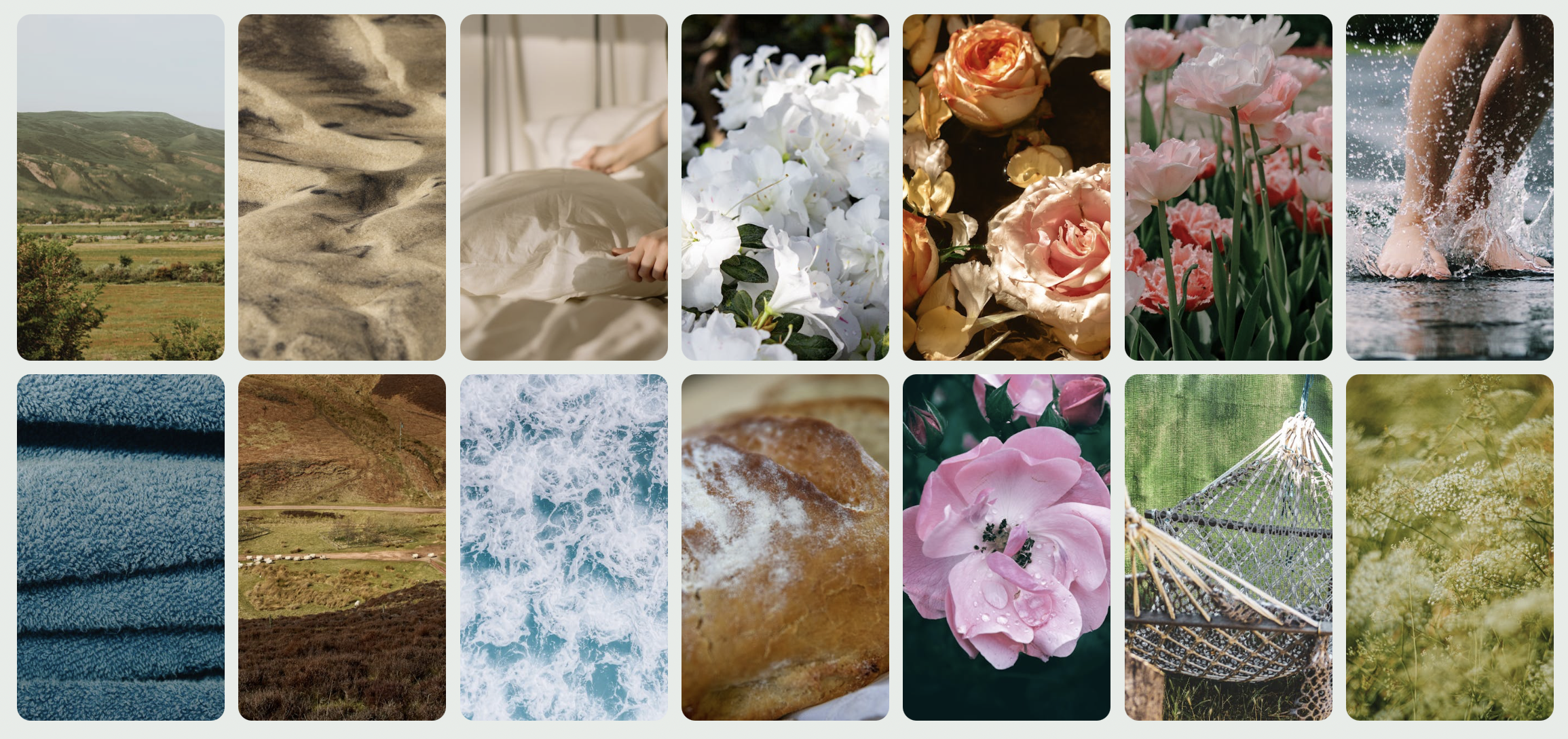
The Innocent archetype centers on optimism, sincerity, and a sense of emotional purity. It’s driven by the belief that people are meant to understand one another, and that kindness and sincerity create the strongest bonds. Creators who embody this archetype often present the world through a warm, uncomplicated lens, emphasizing kindness and genuine human connection.
You often see the Innocent archetype in work that feels light, earnest, and emotionally transparent. Visually, it may lean toward soft palettes, natural imagery, and settings that feel wholesome or nostalgic. In storytelling, the Innocent often gravitates toward themes of trust, simplicity, and the quiet beauty found in everyday life.
The Explorer

The Explorer archetype centers on curiosity, freedom, and the pull of the unknown. It’s driven by the belief that life expands when you step beyond the familiar. Creators who embody this archetype often frame their work around discovery, like that of new places, new ideas, or new ways of seeing the world.
You often see the Explorer archetype in work that highlights movement and possibility. Visually, it may lean toward open landscapes, natural textures, and suggestions of distance or horizon. In storytelling, it gravitates toward journeys (literal or otherwise) where the point isn’t to discover something specific, but to experience the joy of looking.
The Sage

The Sage archetype centers on insight, clarity, and the pursuit of understanding. It’s driven by a desire to see things as they truly are and to make sense of the world’s complexity. Creators who embody this archetype tend to explore ideas and spend a lot of time asking questions, drawing connections, and distilling patterns that others may not have noticed.
You often see the Sage archetype in work that prioritizes perspective over spectacle. Visually, it often leans simple and intentional, allowing the ideas themselves to rule the main stage. In storytelling, it tends to unfold through observation and reflection, offering the audience a clearer way of thinking about the world.
The Creator

The Creator archetype centers on imagination, craftsmanship, and the drive to bring something new into the world. It’s guided by the belief that ideas are meant to be shaped, refined, built, and expressed through form. Creators who embody this archetype tend to lean into the art of crafting and enjoy the “making of” as much as the finished work.
You often see the Creator archetype in areas that emphasize originality and artistic vision. They may highlight materials and tools they used or pull attention to the process behind the finished piece. In storytelling, the Creator often gravitates toward experimentation and invention, like an author who dreams up incredible complex worlds.
The Magician

The Magician archetype centers on transformation, imagination, and the ability to reveal possibilities others might overlook. It’s driven by the belief that reality is more flexible than it appears. Creators who embody this archetype often reshape familiar ideas into something surprising, shifting how the audience experiences the world. They may bend or break the rules, but they do so with good intentions.
You often see the Magician archetype in work that blends artistry with a sense of wonder. Visually, it may favor dramatic contrast, symbolism, or imagery that feels slightly otherworldly. In storytelling, the Magician often reveals hidden layers or leans into the mysterious, surreal, or unexpectedly meaningful.
The Hero

The Hero archetype centers on courage, determination, and the desire to rise to a challenge. It’s driven by the belief that effort and resilience can overcome obstacles. Creators who embody this archetype often frame their work around growth, discipline, and pushing beyond perceived limits.
You often see the Hero archetype in work that highlights strength and momentum. Visually, it may favor bold compositions, dramatic movement, and imagery that conveys effort or triumph. In storytelling, the Hero gravitates toward narratives of struggle and achievement, where the central tension lies in proving what is possible through persistence.
The Outlaw
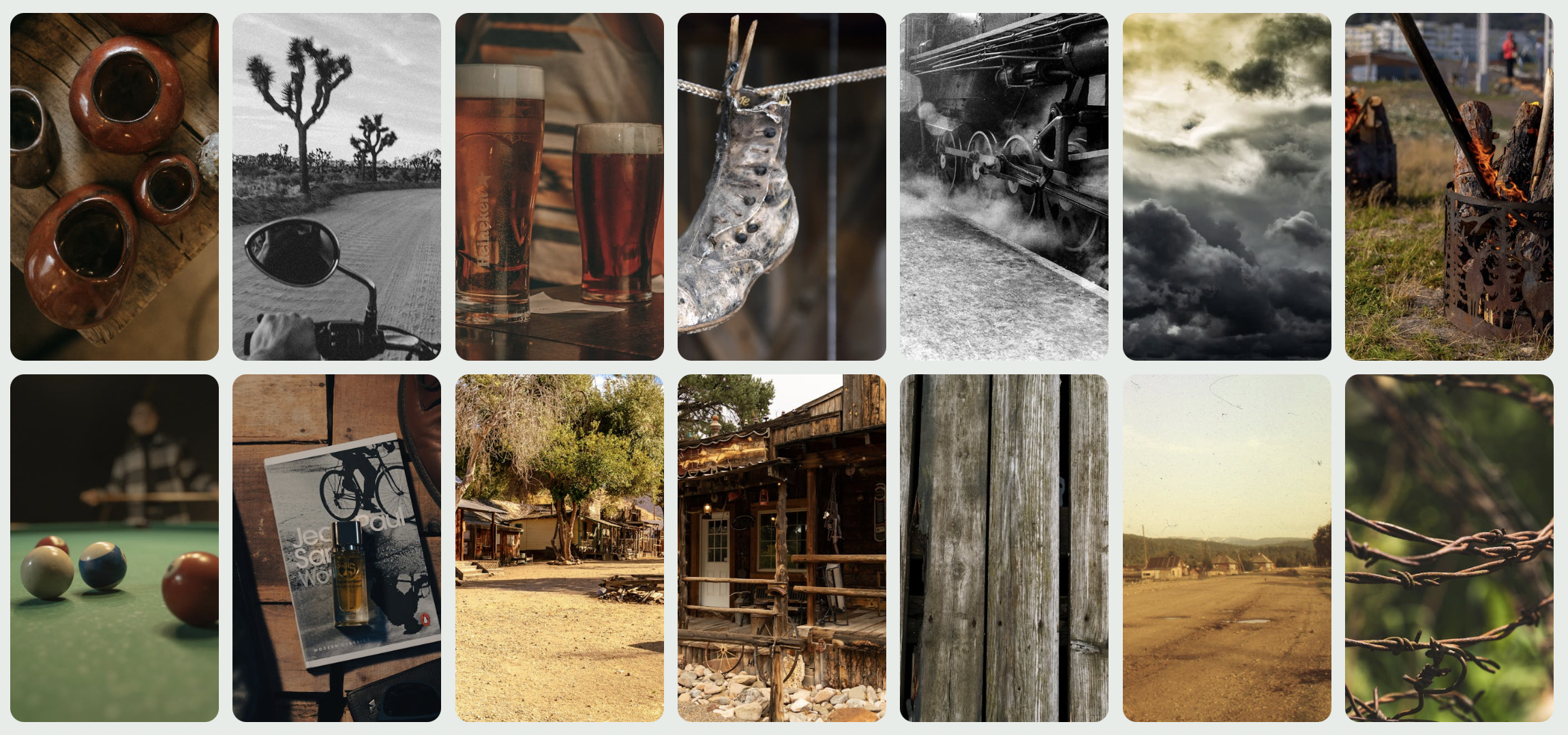
The Outlaw archetype centers on defiance, disruption, and the instinct to challenge systems that feel limiting or unjust. It’s driven by the belief that freedom matters more than approval, and that rule-breaking is a means to liberation. Creators who embody this archetype tend to question norms, reject expectations, and push against cultural boundaries.
You often see the Outlaw archetype in work that feels raw, provocative, or intentionally unconventional. Visually, it may lean toward stark contrast, distressed textures, or aesthetics that signal rebellion. In storytelling, the Outlaw often gravitates toward themes of resistance, independence, and the courage to stand apart from the crowd.
The Jester

The Jester archetype centers on humor, playfulness, and the ability to see the absurd side of life. It’s driven by the belief that joy, laughter, and lightness have real value. Creators who embody this archetype often use wit, satire, or entertainment to connect with their audience.
You often see the Jester archetype in work that feels energetic, colorful, or slightly irreverent. Visually, it may lean toward bold colors, exaggerated elements, or unexpected juxtapositions. In storytelling, the Jester gravitates toward clever observations and comedic timing, revealing truths through humor rather than direct or serious language.
The Lover

The Lover archetype centers on emotional intensity, beauty, and deep sensory experience. It’s less about information and more about immersion. Creators who embody this archetype focus on connection, whether romantic, aesthetic, or atmospheric. Their work invites the audience to feel something, be it desire, nostalgia, intimacy, longing…
You often see the Lover archetype in work that pays close attention to mood and emotional tone. Visually, it may lean toward rich color palettes and tactile imagery. In storytelling, it tends to dwell on specific moments that make life feel vivid and meaningful. It makes you want to linger.
The Caregiver

The Caregiver archetype centers on compassion, protection, and the instinct to support others. It’s driven by the instinct to protect and nurture others, and by the belief that gentleness is a strength. Creators who embody this archetype often offer guidance and focus on the quiet ways people show up for one another.
You often see the Caregiver archetype in work that emphasizes comfort and reassurance. Visually, it may lean toward warmth, soft textures, and imagery that suggests safety or belonging. In storytelling, the Caregiver often gravitates toward themes of support, healing, and the steady presence of someone who is willing to help.
The Everyman

The Everyman archetype centers on relatability, humility, and the comfort of the familiar. It’s driven by the belief that we’re stronger as one, and that the best experiences are shared experiences. Creators who embody this archetype tend to present themselves plainly, allowing their work to feel approachable and genuine.
You often see the Everyman archetype in work that highlights ordinary moments and everyday life. Visually, it may lean toward natural settings, simple compositions, and imagery that feels lived-in rather than staged. In storytelling, the Everyman often focuses on common struggles and small joys, creating the sense that the creator and the audience are part of the same world.
The Ruler

The Ruler archetype centers on leadership, structure, and the desire to create order. It’s driven by the belief that strong systems and clear direction allow things to flourish. Creators who embody this archetype tend to focus on vision, standards, and the careful shaping of environments—or “kingdoms,” as they may prefer to think of it.
You often see the Ruler archetype in work that emphasizes refinement and authority. Visually, it may lean toward symmetry, strong lines, and an overall sense of polish. In storytelling, the Ruler often focuses on legacy, influence, and the responsibility that comes with holding power.
Explore Archetype Blends
Most people aren’t defined by a single archetype. Our identities tend to take shape at the intersection of two influences.
Select two archetypes to see how their motivations and instincts combine:
All 12 Archetype Guides
Understanding how archetypes can blend is one thing, but the real value comes from identifying your own and how you can more deeply embody them in a way that feels cohesive and authentic. Here are all 12 archetype guides I’ve written, with more examples of how creators, musicians, and cultural icons are embodying them in the modern world: